Delving into the realm of intermittent fasting, we uncover its profound effects on health and well-being. From shedding light on its diverse methods to exploring its potential benefits, this guide offers an intriguing journey into the world of intermittent fasting.
As we navigate through the intricacies of intermittent fasting, we unravel its impact on various aspects of health, shedding light on its transformative potential.
Introduction to Intermittent Fasting
Intermittent fasting is an eating pattern that cycles between periods of fasting and eating. It differs from traditional dieting as it focuses more on when you eat rather than what you eat. This method has gained popularity for its potential health benefits and weight loss effects.
Different Methods of Intermittent Fasting
Intermittent fasting includes various methods such as the 16/8 method, where you fast for 16 hours and eat within an 8-hour window. The 5:2 method involves eating normally for 5 days a week and restricting calories for 2 non-consecutive days.
Alternate-day fasting alternates between days of regular eating and fasting.
- 16/8 Method: This method involves fasting for 16 hours and eating within an 8-hour window each day.
- 5:2 Method: With this approach, you eat normally for 5 days a week and restrict calories for 2 non-consecutive days.
- Alternate-Day Fasting: This method alternates between days of regular eating and fasting.
Popularity and Health Benefits
Intermittent fasting has gained popularity due to its simplicity and flexibility compared to traditional diets. It has been associated with potential benefits such as weight loss, improved metabolic health, reduced inflammation, and even longevity.
Health Benefits of Intermittent Fasting
Intermittent fasting has gained popularity not only for weight loss but also for its various health benefits. Let's explore some of the key advantages associated with this eating pattern.
Weight Loss and Improved Metabolic Health
Intermittent fasting can aid in weight loss by restricting the time window for eating, leading to a decrease in overall calorie intake. Additionally, it has been shown to improve metabolic health by increasing hormone levels that facilitate fat burning.
Impact on Insulin Sensitivity and Blood Sugar Levels
One of the significant benefits of intermittent fasting is its positive effect on insulin sensitivity. By reducing insulin resistance, fasting can help stabilize blood sugar levels and lower the risk of type 2 diabetes.
Promotion of Autophagy for Cellular Repair
Intermittent fasting triggers a process called autophagy, where cells remove damaged components and repair themselves. This cellular 'clean-up' process plays a crucial role in maintaining overall health and reducing the risk of various diseases.
Intermittent Fasting and Brain Health
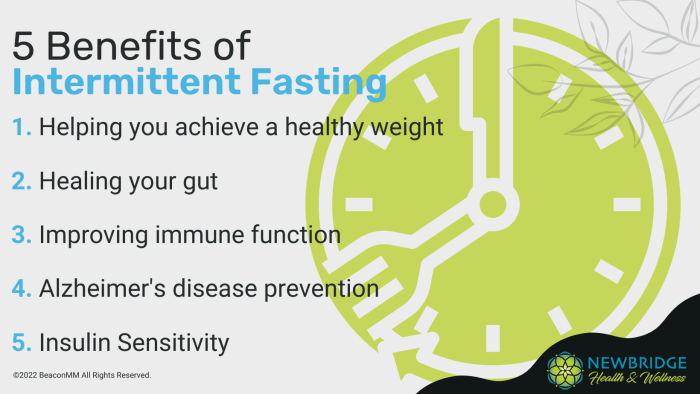
Intermittent fasting has been shown to have several benefits for brain health, including improved cognitive function and a reduced risk of neurodegenerative diseases. One key factor in these benefits is the production of brain-derived neurotrophic factor (BDNF), a protein that supports the growth and maintenance of neurons in the brain.
BDNF and Brain Health
Intermittent fasting has been found to increase the production of BDNF, which plays a crucial role in promoting the growth of new neurons and enhancing synaptic plasticity. This can lead to improved learning, memory, and overall cognitive function. By stimulating the production of BDNF, intermittent fasting may help protect the brain against age-related decline and reduce the risk of conditions like Alzheimer's disease.
Neuroprotection and Intermittent Fasting
Studies have suggested that intermittent fasting can provide neuroprotective effects by reducing inflammation, oxidative stress, and insulin resistance in the brain. These effects may help prevent damage to neurons and slow down the progression of neurodegenerative diseases. Additionally, intermittent fasting has been linked to increased autophagy, a process that clears out damaged cells and protein aggregates in the brain, further supporting brain health.
Intermittent Fasting and Heart Health
Intermittent fasting has shown promising effects on heart health, influencing key factors like blood pressure, cholesterol levels, and overall heart disease risk. Intermittent fasting is believed to improve cardiovascular health through various mechanisms, including reducing oxidative stress and inflammation in the body.
By giving the digestive system a break during fasting periods, the body can focus on repair and rejuvenation processes that benefit the heart and blood vessels.
Effects on Blood Pressure and Cholesterol Levels
Intermittent fasting has been linked to improvements in blood pressure and cholesterol levels. Some studies suggest that intermittent fasting can help lower blood pressure and reduce levels of LDL cholesterol, often referred to as the "bad" cholesterol. These effects can contribute to a reduced risk of heart disease and stroke.
Reduced Risk of Heart Disease
Research studies have indicated that intermittent fasting may reduce the risk of developing heart disease. By improving various cardiovascular markers such as blood pressure, cholesterol levels, and inflammation, intermittent fasting shows potential in enhancing heart health and reducing the likelihood of heart-related complications.
Impact of Intermittent Fasting on Heart Health Markers
Studies have explored how intermittent fasting affects specific heart health markers. For example, some research suggests that intermittent fasting can lead to lower levels of triglycerides, another type of fat in the blood that can contribute to heart disease. Additionally, intermittent fasting has been associated with improvements in insulin sensitivity, which can also impact heart health positively.
Ultimate Conclusion
In conclusion, the profound implications of intermittent fasting on health and longevity become apparent. From weight management to cellular repair, the benefits are vast and compelling. Embrace the power of intermittent fasting and unlock a path to optimal well-being.
FAQ Guide
How does intermittent fasting differ from traditional dieting?
Intermittent fasting focuses on when to eat rather than what to eat, allowing for specific eating windows and periods of fasting.
What are the potential benefits of intermittent fasting on insulin sensitivity?
Intermittent fasting can enhance insulin sensitivity, leading to better blood sugar regulation and reduced risk of type 2 diabetes.
Can intermittent fasting help in reducing the risk of Alzheimer's disease?
Research suggests that intermittent fasting may play a role in lowering the risk of neurodegenerative conditions like Alzheimer's disease.