Exploring the world of air conditioners tailored for allergies and air quality, this guide offers a deep dive into the realm of indoor air purification. From reducing allergens to enhancing air quality, discover the top solutions that bring relief to allergy sufferers and ensure a healthier living environment.
In the following sections, we will explore various types of air conditioners, essential features to consider, maintenance tips for optimal performance, and additional strategies for combating allergies effectively.
Overview of Air Conditioners for Allergies and Air Quality
Using air conditioners is crucial for improving indoor air quality as they help in filtering out harmful particles and pollutants present in the air. This is especially important for individuals with allergies or respiratory issues, as clean air can significantly reduce symptoms and improve overall health.
Air conditioners play a vital role in creating a comfortable and healthy indoor environment by regulating temperature and humidity levels, as well as removing allergens and contaminants from the air.
How Air Conditioners Reduce Allergens
Air conditioners equipped with high-efficiency particulate air (HEPA) filters can effectively capture and trap allergens such as dust mites, pollen, pet dander, and mold spores. These filters are designed to remove particles as small as 0.3 microns, ensuring that the air circulated in the room is clean and free from common allergens that can trigger allergic reactions or asthma attacks.
By continuously filtering the air, air conditioners help maintain a healthier indoor environment for allergy sufferers.
Benefits of Air Conditioners for Allergies
Minimize exposure to allergens
Air conditioners reduce the presence of allergens in the air, providing relief to individuals with allergies.
Improved air quality
By filtering out pollutants and contaminants, air conditioners promote better indoor air quality, leading to a healthier living environment.
Enhanced comfort
Air conditioners not only regulate temperature but also control humidity levels, creating a comfortable atmosphere that is less conducive to allergen growth.
Prevent mold and mildew
Properly functioning air conditioners help prevent the growth of mold and mildew, which are common allergens that thrive in damp environments.
Types of Air Conditioners
Air conditioners come in various types, each with its own features aimed at improving indoor air quality. Let's explore the different options available for those looking to reduce allergens in their homes.
Portable Air Conditioners
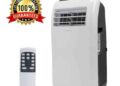
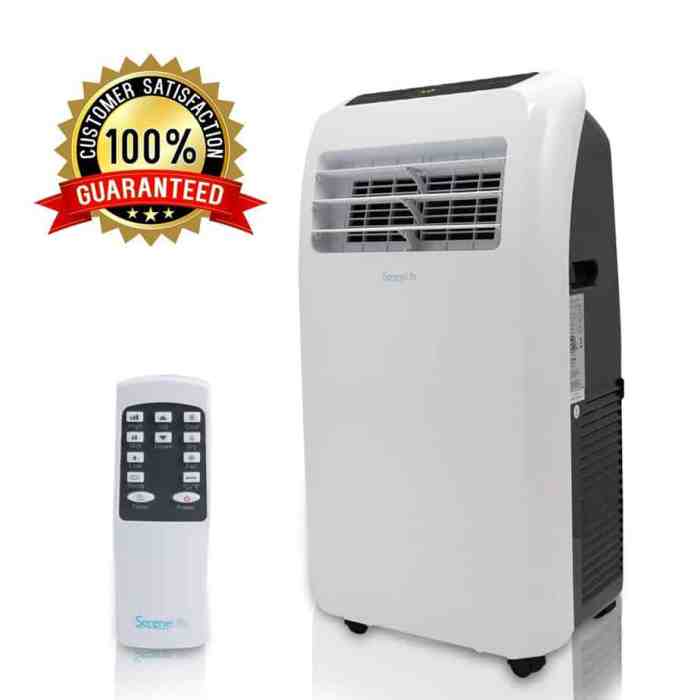
Portable air conditioners are versatile units that can be easily moved from room to room. While they are convenient for cooling smaller spaces, they may not have advanced filtration systems to effectively remove allergens from the air.
Window Air Conditioners
Window air conditioners are popular for cooling individual rooms and are relatively affordable. Some models come with basic filters that can capture larger particles, but they may not be as effective in filtering out allergens compared to other types of air conditioners.
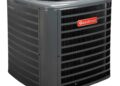
Central Air Conditioners
Central air conditioning systems are designed to cool entire homes and provide consistent temperature control. These systems typically have more advanced filtration capabilities, including HEPA filters, which can effectively capture allergens such as dust, pollen, and pet dander.
HEPA filters are known for their high efficiency in removing particles as small as 0.3 microns from the air, making them ideal for allergy sufferers.
Features to Consider
When choosing an air conditioner for allergies, there are several key features to keep in mind to ensure optimal air quality and allergen reduction in your home.
HEPA Filters
HEPA filters are essential in air conditioners for allergies as they have the ability to capture small particles such as dust, pollen, pet dander, and other allergens. These filters are highly effective in improving air quality by trapping up to 99.97% of particles as small as 0.3 microns.
UV-C Light Technology
UV-C light technology is another important feature to consider in air conditioners for allergen reduction. This technology helps to eliminate bacteria, viruses, and mold spores that may be present in the air, further improving indoor air quality and reducing allergens
Maintenance and Cleaning Tips
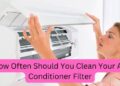
Regular maintenance and cleaning of your air conditioner is crucial to ensure it effectively reduces allergens and maintains good air quality in your home.
Cleaning Filters
- Filters should be cleaned or replaced every 1-3 months, depending on usage and the type of filter.
- Check the manufacturer's recommendation for your specific air conditioner model.
- Dirty filters can harbor allergens and reduce the efficiency of your air conditioner.
Cleaning Vents and Ducts
- Use a vacuum cleaner with a brush attachment to clean the vents regularly.
- Inspect ducts for any visible dust or mold and clean them as needed.
- Consider hiring a professional duct cleaning service every few years for a thorough cleaning.
Additional Strategies for Allergy Relief
When it comes to improving indoor air quality and reducing allergens, there are several complementary methods that can work alongside air conditioners to create a healthier environment. One of the most effective ways to enhance the air quality in your home is by using air purifiers in conjunction with your air conditioning system.
Additionally, controlling humidity levels can also play a significant role in reducing allergens indoors.
Benefits of Using Air Purifiers
Air purifiers are designed to filter out particles in the air, including dust, pollen, pet dander, and other allergens. By incorporating an air purifier into your indoor environment, you can further reduce the presence of these irritants, leading to cleaner and fresher air for you and your family to breathe.
Role of Humidity Control
Maintaining appropriate humidity levels in your home can help prevent the growth of mold and mildew, which are common allergens. By using a dehumidifier or humidifier in conjunction with your air conditioner, you can control the moisture in the air and create an environment that is less conducive to allergen growth.
This can significantly improve indoor air quality and provide relief for allergy sufferers.
Final Wrap-Up
In conclusion, the quest for the best air conditioners for allergies and air quality leads to a myriad of options designed to elevate indoor living spaces. By prioritizing air purification and allergen reduction, individuals can breathe easier and enjoy cleaner, fresher air.
Questions Often Asked
Are air conditioners with HEPA filters necessary for allergy relief?
Absolutely, HEPA filters are crucial for trapping small particles like allergens, ensuring cleaner and healthier air indoors.
How often should air conditioner filters be replaced?
It's recommended to replace filters every 3-6 months, depending on usage and the manufacturer's guidelines, to maintain optimal performance.
Can air purifiers be used alongside air conditioners for better results?
Absolutely, combining air purifiers with air conditioners can significantly improve indoor air quality by targeting different types of pollutants.
What role does humidity control play in reducing allergens indoors?
Controlling humidity levels can help prevent mold growth and dust mites, reducing common allergens in the air for a healthier environment.